
TEAM
Dhea Zalfarani
Ryo Shandy
Dicky Surya Nanda
Tubagus Ghiffari Maulana
DURATION
6 weeks
MY ROLE
Product Management and UX Researcher
Challenge
Student entrepreneurs struggle to access reliable funding due to limited trust, lack of business readiness, and fragmented learning resources. While many have strong ideas, they often lack the financial credibility and knowledge required to attract investors.
On the other hand, potential investors face high uncertainty when supporting early-stage student ventures. Limited transparency, unclear business readiness, and concerns around fraud make them hesitant to invest.
From a product perspective, this challenge was compounded by three key constraints:
Reaching the right users: identifying and engaging both student entrepreneurs and potential investors with distinct needs
Clarifying funding concepts: ensuring users clearly understand the difference between Securities Crowdfunding (SCF) and traditional Equity Crowdfunding
Building trust and security: designing verification and secure flows to minimize fraud and misuse risks
Results
Galang is designed as a secure, end-to-end crowdfunding and learning platform that helps student entrepreneurs raise capital responsibly while giving investors confidence to fund early-stage ventures.
By integrating strong identity verification, transparent funding flows, and structured business education, Galang addresses the main risks in student-led crowdfunding.
Key Product Outcomes
🔐 Secure & Trusted Access
Multi-step authentication (Google / email + OTP)
KYC verification with KTP, NPWP, and selfie-with-ID
Clear verification status to manage user expectations
💰 Transparent Funding Experience
Business listings with detailed profiles, pricing, and funding timelines
Downloadable proposals for informed investment decisions
In-app purchase of funding units
📚 Business Readiness Through Learning
Structured courses (Kelas Starter & Kelas Jawara)
Modular content with progress tracking to ensure learning completion
📊 Portfolio & Financial Control
Real-time investment and dividend tracking
In-app top up and withdrawal via e-wallets and bank transfer
Impact Snapshot
10K+
Estimated Monthly Active Users
15+
Core Features Designed
76.34
76.34 SUS (Good usability benchmark)


My Role & Responsibilities
As the Product Manager, I:
Conducted market and user research to frame the core problem and product scope.
Defined target users and MVP scope based on validated user pain points.
Translated insights into feature requirements across security, funding, learning, and wallet systems.
Designed end-to-end user flows for KYC, investment, learning progression, and portfolio management.
Prioritized features based on impact, feasibility, and risk reduction.
Produced product documentation including PRD and process flows.
Led usability testing using Maze, analyzed SUS scores, and iterated solutions accordingly.
Process
This project followed a Design Thinking approach, chosen to support early-stage product discovery for a platform that combines funding, trust, and learning.
Research & Discovery
Conducted qualitative interviews with student entrepreneurs to understand challenges in accessing capital and structured business learning.
Reviewed existing crowdfunding and learning platforms to identify gaps in trust, transparency, and accessibility.

Define & Product Structuring
Synthesized research findings into user personas and empathy maps representing student entrepreneurs and investors.
Defined clear problem statements around user trust, funding eligibility, and business readiness.
Structured the product around four core areas: identity verification, funding, learning, and portfolio management.


Ideation & Prioritization
Translated insights into feature opportunities using affinity mapping.
Defined MVP scope with early emphasis on secure user verification and transparent funding flows.
Prioritized features based on user impact, feasibility, and risk reduction.

Design & Prototyping
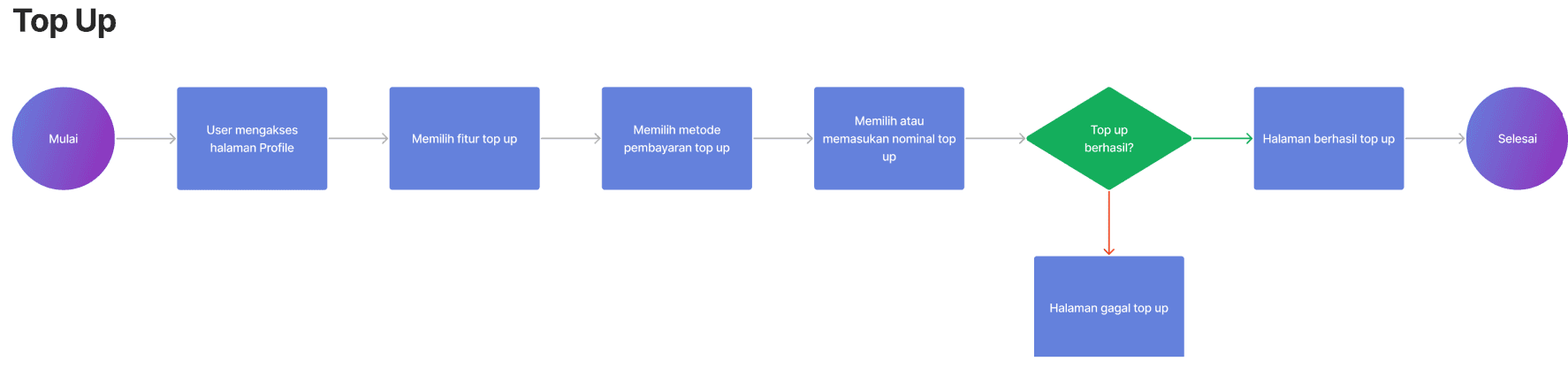
Designed end-to-end user flows for core product journeys. Created low-fidelity wireframes and collaborated with product designers on high-fidelity prototypes for validation



Design & Prototyping
Designed end-to-end user flows for core product journeys. Created low-fidelity wireframes and collaborated with product designers on high-fidelity prototypes for validation


Usability Testing & Iteration
Conducted usability testing using Maze with task-based scenarios.
Evaluated usability using System Usability Scale (SUS).
Iterated on flows and content structure based on user feedback and testing results.


Project Timeline & Delivery Plan
To demonstrate how the product was planned and delivered, I reconstructed the project timeline using an Agile sprint-based workflow in Jira.
While the original work was completed within a similar timeframe, this Jira board serves as a structured representation of how I would organize the execution as a Product Manager — breaking down the work into epics, stories, and tasks with clear milestones, priorities, and acceptance criteria.
The project spans approximately two months and is divided into weekly sprints covering:
Discovery & research
PRD definition & scoping
User flows and system design
Wireframing & high-fidelity prototyping
Usability testing and iteration
This approach highlights how I translate strategy into actionable delivery plans, prioritize MVP scope, and ensure measurable progress across the product lifecycle.
Below is a visual snapshot of the Jira board used to illustrate the execution plan.


“Team GASSSKEUN transformed Research into Action, building Galang to make student entrepreneurship more Accessible and Secure"


Conclusion
Reflection
This project strengthened my approach to product management, grounding decisions in user research, validating assumptions early, and iterating quickly. I learned that trust, accessibility, and clarity are critical foundations for financial platforms.
Next Improvements
Role-based experiences for investors vs entrepreneurs
Business comparison tools for better decisions
Dedicated portfolio dashboard for investment tracking